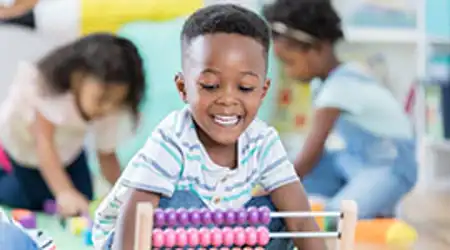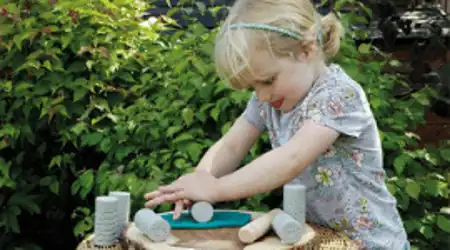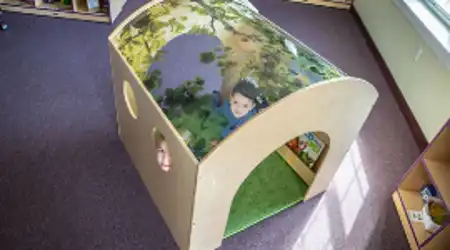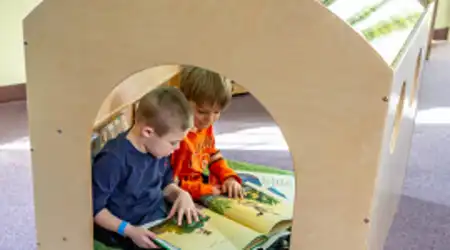

What is risky play in early childhood education? This article explores understanding risky play and how to embrace risky play in toddlers and young children.
Learning in Motion celebrates how movement, environment, and connection come together to shape the earliest stages of growth. Every crawl, climb, and tumble helps children develop strength, coordination, and curiosity that last a lifetime.

Playing peek-a-boo with a trusted person helps develop an infant’s senses, motor skills, visual tracking, and social development in addition to object permanence.
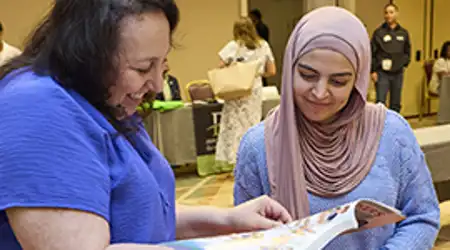
Explore inclusive approaches to Halloween in early childhood classrooms. Discover thoughtful alternatives for costumes, food, and sensory needs that honor all families.
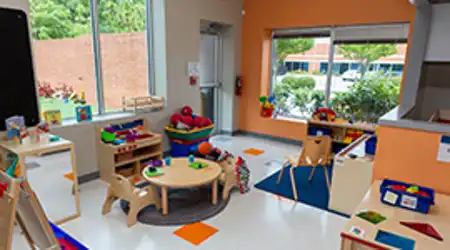
Explore how early learning leaders make values visible through intentional classroom design and daily rhythms. Learn how space and time reflect what matters most.
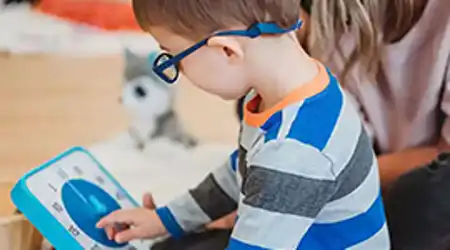
Help young children manage transitions with Now/Next boards. Learn how to use visual supports to reduce stress and build independence in the classroom.
In this blog article, our guest author speech pathologist Sheila Chrobak explores how educators can support regulation and communication in early childhood.
In this blog article, Kelsie Olds (The OccuPLAYtional Therapist) explores what is proprioception and the proprioceptive sensory input types (exertion, impact, and pressure).
In this blog article, Kelsie Olds (The OccuPLAYtional Therapist) explores what is vestibular input and its role in sensory processing and sensory regulation.
In this blog article, we provide ideas for celebrating seasons and holidays in preschool classrooms that focus on appreciation of diverse cultures and traditions.